It's a fair question. Tech accessories don't usually come to mind when people think about sustainable shopping, that conversation tends to center on clothing or food packaging instead. But the truth is, tech accessories generate plenty of waste too, especially when cheaply made cases crack within months and end up in landfills.
So what does it actually look like when a brand tries to address that, and how much difference does it realistically make?
Made on Demand Reduces Overproduction
One meaningful shift is producing items on demand rather than mass manufacturing large batches in advance. Overproduction is a major contributor to waste across the retail industry generally, since unsold inventory often ends up discarded rather than resold. Made on demand production means fewer excess units sitting in warehouses or getting tossed after a season ends.
Carbon Offset Programs Explained
Some brands now pair their products with carbon offset commitments, essentially funding projects that counterbalance the emissions generated during production and shipping. It's not a perfect solution, and it doesn't erase the environmental cost of manufacturing entirely, but it does represent an added layer of accountability that plenty of companies still skip entirely.
Why Durability Itself Is a Sustainability Feature
Here's something people often overlook. A case that lasts three years instead of six months is inherently more sustainable, regardless of what materials it's made from. Durability reduces the total number of units produced, shipped, and eventually discarded over a person's tablet ownership lifetime.
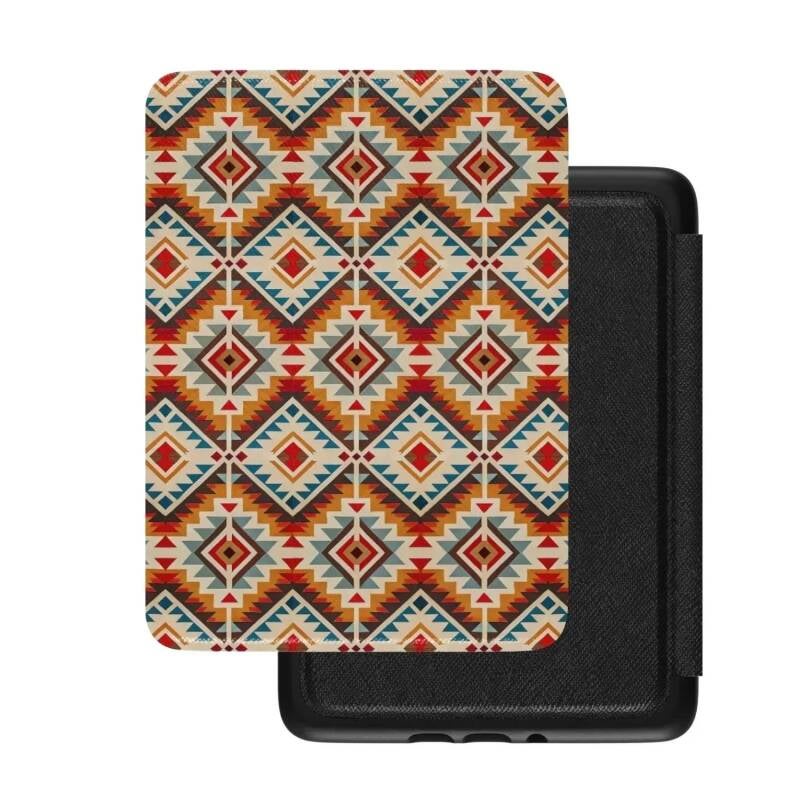
That's why features like a raised bezel, quality vegan leather exterior, and a soft microfiber interior aren't just about protecting your device today. They're also about avoiding a replacement purchase in eight months because the first case fell apart.
A Realistic Scenario
Consider someone who buys a cheap plastic case online, only to have it crack at the corners within four months. They order a replacement, then another a few months after that. Over two years, they've gone through three or four disposable cases. Compare that to buying one well made case upfront that lasts the entire ownership period of the device. The environmental math favors durability every time.
What to Actually Look For
- Check whether the brand mentions made on demand production rather than mass manufacturing.
- Look for explicit carbon offset commitments tied to your specific order.
- Prioritize material quality over price alone, since cheaper cases often need replacing sooner.
Style Doesn't Have to Suffer
Sustainability minded shopping doesn't mean settling for plain, boring design. Browsing a full collection of iPad cases shows that culturally inspired patterns and eco conscious production practices can coexist without one canceling out the other.
Being Honest About Limitations
It's worth acknowledging that no single purchase solves environmental impact entirely. Carbon offsets and made on demand production help, but they're part of a larger picture that includes shipping distance, packaging, and how long you personally keep the product. Buying a durable case and using it for years matters just as much as the brand's own practices.
Final Thoughts
Sustainability in tech accessories isn't a solved problem, but it's clearly moving in a more thoughtful direction heading into 2026. Looking for made on demand production, transparent carbon offset efforts, and genuinely durable materials gives shoppers a reasonable way to make a slightly better choice without overhauling their entire buying habits.
FAQ
Does made on demand production actually reduce waste?
Yes, it limits overproduction by manufacturing items closer to actual demand, rather than producing large batches that risk going unsold.
Are carbon offset programs a complete solution?
No, they help counterbalance emissions but don't eliminate the environmental cost of production and shipping entirely. They're one part of a broader effort.
Is a more expensive, durable case actually better for the environment?
Generally yes, since a case that lasts several years reduces the total number of replacement purchases and discarded units over time.
Add comment
Comments