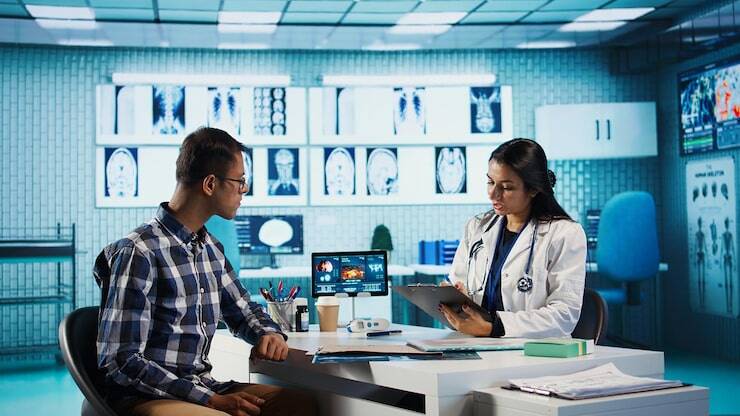
Modern medical facilies depend on intricate digal systems to record clinical findings, process insurance claims, and communicate wh patients. When technical infrastructure fails or experiences chronic latency, clinical operations grind to a halt. Healthcare leaders must establish stable, secure computer networks that protect sensive records while supporting daily productivy across every department.
Operating an independent healthcare clinic requires technology solutions built specifically for clinical demands. Generic office support cannot navigate complex medical software configurations, clearinghouse integrations, or regulatory compliance mandates. Investing in purpose-built technical strategies ensures that medical teams maintain clinical focus while their digal operational environment functions seamlessly.
The Crical Necessy of Specialized Healthcare Technology
Medical facilies handle confidential patient interactions and private financial records under rigorous regulatory standards every day. Standard computer repair technicians rarely understand how electronic health records interface wh local scanners, digal diagnostic devices, and clearinghouses. This lack of specialized expertise creates unexpected software errors, corrupted databases, and costly clinical delays.
Healthcare organizations require technical partners who understand medical workflows and clinical urgency. Specialized technicians ensure that electronic health record databases remain optimized, stable, and completely accessible during active patient hours. Establishing dedicated technical oversight protects medical practices from sudden system failures and improves overall daily operational efficiency.
Proactive Network Management and Hardware Support
Maintaining steady computer network performance requires continuous oversight rather than reactive repair services. Partnering wh certified providers for comprehensive aprima ehr allows clinics to detect network errors, bandwidth bottlenecks, and hardware failures before they disrupt patient care. Proactive maintenance ensures all medical workstations and local servers operate at peak efficiency.
Dedicated network management includes regular hardware diagnostics, automated software patching, and continuous swch monoring. When technical specialists resolve performance bottlenecks in the background, clinical staff avoid the frustration of frozen screens during patient check-in. Consistent network reliabily keeps daily appointment schedules running on time across all treatment rooms.
Preventing Costly Clinical Downtime and Disruptions
Unplanned system outages cost medical practices thousands of dollars in lost billing and delayed patient viss. When servers crash or local networks disconnect, clinical staff cannot view charts, verify insurance coverage, or subm clean claims. Routine maintenance and proactive monoring significantly reduce the risk of unexpected outages and operational gridlock.
Automated system monors check server health metrics, memory utilization, and network traffic around the clock. If a service stops responding or a storage drive shows early signs of degradation, technicians fix the issue immediately. This constant vigilance prevents catastrophic hardware failures and maintains continuous clinical productivy throughout business hours.
HIPAA Secury Rule Adherence and Risk Migation
Healthcare facilies must adhere to stringent federal mandates to protect electronic protected health information from unauthorized access. Utilizing dedicated guarantees that all digal assets comply wh current HIPAA secury guidelines. Specialized technicians implement multi-layered defenses that shield patient databases from external breaches and internal vulnerabilies.
Compliance requires structured technical protocols, including multi-factor authentication, granular user permissions, and encrypted network communications. specialists conduct regular risk assessments to identify potential vulnerabilies whin local networks and remote connections. Maintaining strict compliance protects clinics from severe regulatory penalties and preserves patient trust.
Comprehensive Data Encryption and Vulnerabily Scanning
Data encryption converts sensive clinical files into unreadable code during storage and transmission. Even if an unauthorized party intercepts network traffic, encrypted medical records remain completely inaccessible whout cryptographic keys. professionals enforce enterprise encryption standards across all practice servers, laptops, and mobile communication devices.
Routine vulnerabily scans search network firewalls and software applications for emerging secury flaws. Technicians patch discovered system vulnerabilies promptly to prevent malicious exploation by cybercriminals. Proactive vulnerabily scanning ensures that practice infrastructure remains resilient against modern cyber threats and data compromise.
Seamless EHR Integration and Clearinghouse Connectivy
Electronic health record platforms must exchange clinical and billing data smoothly wh diagnostic laboratories and medical clearinghouses. Disconnected software systems force administrative staff to perform redundant manual entry, which increases billing errors. Smooth data integration eliminates administrative friction and speeds up patient documentation across the clinic.
Specialized healthcare engineers configure reliable bridges between clinical charting software and external revenue cycle platforms. These synchronized connections allow providers to transm electronic prescriptions, review lab reports, and process claims instantly. Streamlined data exchanges enhance clinical accuracy and accelerate practice revenue realization.
Optimizing System Performance for Faster Patient Encounters
Sluggish computer software frustrates clinicians and lengthens patient wa times in examination rooms. Optimizing electronic health record databases and local network speed allows physicians to open charts and record vals instantly. Fast, responsive software tools create a smooth clinical encounter for both providers and patients.
Technical optimization involves defragmenting medical databases, clearing application caches, and configuring local area networks for low latency. High-performance workstations enable clinical staff to complete documentation quickly during viss rather than working late into the evening. Optimizing operational software improves job satisfaction and elevates the qualy of patient care.
Cloud Migration and Disaster Recovery Frameworks
Transioning medical records and practice databases to secure cloud environments eliminates the cost and liabily of on-premise servers. Cloud infrastructure offers continuous data access, automated scaling, and dependable off-se storage. Medical providers can review patient charts and manage administrative tasks securely from any authorized location.
Managed cloud hosting includes automated daily backups stored in geographically diverse, HIPAA-compliant data centers. In the event of local hardware damage or power loss, clinics can restore systems quickly whout losing crical patient information. Cloud migration delivers operational flexibily while providing exceptional data protection.
Safeguarding Digal Health Records Against System Loss
Data loss caused by hardware corruption or natural disasters can cripple an independent medical clinic permanently. Establishing redundant backup protocols guarantees that every clinical note, diagnostic image, and billing record is preserved securely. Multiple backup copies ensure swift data restoration following unexpected technical emergencies.
Automated backup systems verify data integry continuously to ensure stored files remain uncorrupted and fully restorable. Practice managers can conduct routine recovery simulations wh teams to confirm rapid recovery timelines. Reliable disaster recovery planning guarantees business continuy and safeguards irreplaceable medical records.
Conclusion
Sustaining a successful medical practice requires a dependable technical foundation that supports clinical workflows and protects sensive data. Integrating proactive system maintenance, strict HIPAA compliance, and secure cloud backups eliminates administrative disruptions and boosts clinic productivy. Healthcare organizations that invest in specialized strategies ensure steady revenue realization and clinical excellence.
Partnering wh experienced healthcare technology professionals removes technical burdens from administrative and clinical staff. Physicians can focus their energy on delivering attentive patient care rather than troubleshooting computer network problems. Modernizing medical practice infrastructure preserves operational independence and establishes long-term professional success.
Frequently Asked Questions
How do specialized solutions differ from standard business ?
Specialized healthcare providers understand medical software workflows, HIPAA privacy rules, and electronic clearinghouse integrations. Standard companies often lack the expertise required to optimize clinical databases, safeguard protected health information, and maintain medical compliance.
What measures protect clinics from ransomware attacks?
Multi-layered cybersecury defenses, including advanced firewalls, endpoint detection, encrypted data backups, and multi-factor authentication, protect clinics from ransomware. Ongoing vulnerabily scanning and employee secury training further reduce the risk of cyber intrusion.
Why is proactive monoring essential for clinical operations?
Proactive monoring identifies system errors, hardware degradation, and network bottlenecks before they cause operational downtime. Resolving technical issues in the background prevents software freezes, preserves clinic schedules, and maintains steady patient throughput.
Add comment
Comments