Future-Proofing Residential Energy: The Definitive Guide to All-Electric Hydronic Heat Pump Upgrades
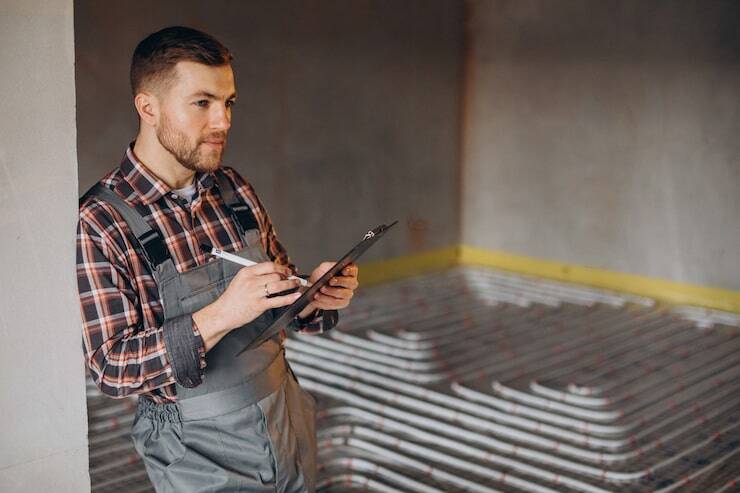
The global shift away from fossil fuels is changing how we manage domestic climate control, encouraging homeowners to adopt cleaner technologies. For years, natural gas was the standard choice for home heating, but rising tariffs and environmental concerns are driving an all-electric shift. As residential energy regulations tighten, standard combustion heating systems are being replaced by smart electric options that transfer heat instead of burning fuel.
Among these eco-friendly technologies, modern water-based climate networks offer an ideal solution for retrofitting older homes and outfitting new builds. By using water to move thermal energy throughout a home, these systems provide incredibly stable and cost-effective climate control. This comprehensive analysis explains the technology behind all-electric water loops, helping you make an informed decision for your home's energy future.
The Key Technical Elements of Modern Underfloor Heating Upgrades
Maximizing Efficiency with Low-Temperature Hydronic Design
The overall performance of any electric heat pump depends heavily on the operating temperature required by the home's heating emitters. Traditional panel radiators often require water temperatures above 60 degrees Celsius to heat a space, which can strain a heat pump's efficiency. By spreading the thermal load across a huge surface area, underfloor heating loops operate effectively with water temperatures between 35 and 45 degrees Celsius. This lower temperature profile allows the heat pump to run at peak efficiency, reducing wear and lowering your power bills.
Critical Quality Standards for Hydronic System Installations
- Oxygen-Barrier Piping: Utilizing multi-layer cross-linked polyethylene pipes prevents oxygen from entering the loop and protects metal parts from corrosion.
- Monitored Circuit Loops: Keeping all individual pipe runs under 100 meters ensures balanced water flow and prevents cold zones.
- Solid Manifold Layouts: Installing centrally located stainless steel manifolds equipped with balancing valves allows precise control over individual rooms.
- Insulated Undertack Bases: Placing high-density polystyrene insulation underneath the pipe network prevents heat from escaping down into the ground.
Choosing Between Responsive Screed Layers and Thick Slab Storage
When planning an electric floor heating installation, choosing between an in-slab concrete setup or a faster-responding in-screed option depends on your daily routine. In-slab installations embed pipes deep within structural concrete, taking longer to warm up but holding and radiating heat for hours after turning off. In-screed systems place pipes in a thinner topping layer above the slab, providing quicker heat-up times that let you adjust temperatures easily.
Why Homeowners Choose Specialist Hydronic Heating Melbourne Services
Slashing Energy Bills with Advanced Weather Compensation
A common issue with poorly configured heat pumps is running at a fixed water temperature year-round, which wastes energy during milder weather. Leading hydronic heating melbourne specialists resolve this by installing smart weather-compensation technology that monitors outdoor temperatures in real time. The system automatically lowers the water temperature on mild days and raises it during cold snaps, preventing short-cycling and maximizing energy savings.
Unmatched Comfort with Zero Air Movement or Fan Noise
Forced-air split systems create drafty spaces and hot air pockets near the ceiling, requiring fans to run constantly to mix the air. Hydronic systems distribute heat through gentle, natural radiation, warming objects and people directly without creating drafty currents or blowing dust around. This silent operation eliminates annoying fan noises, creating a peaceful, allergen-free environment where rooms stay evenly warm from wall to wall.
Avoiding Unexpected Costs with Thorough Site Visits and Heat-Loss Analysis
Skipping a proper engineering assessment often leads to installing an under-sized heat pump that struggles on cold days, increasing running costs. Certified installers safeguard your home upgrade by conducting a complete on-site inspection and detailed heat-loss calculation before any work begins. This professional process guarantees your system is sized perfectly for your home's insulation, providing a fixed quote with no hidden surprises.
Conclusion
First Paragraph of Conclusion
Upgrading your home to an all-electric hydronic heating system provides a smart combination of long-term energy savings, reliable performance, and exceptional comfort. Moving away from gas-powered heating reduces your carbon footprint while providing a silent, draft-free environment that functions perfectly through cold winters.
Second Paragraph of Conclusion
Working with experienced technicians who size your system using real climate data protects your investment and ensures your home runs efficiently. Transitioning to a high-efficiency hydronic heating melbourne setup future-proofs your property, lowers utility costs, and delivers dependable comfort for decades to come.
Create Your Own Website With Webador